Pedestrian Accident Attorney in Victoria TX

Straight talk is good business.

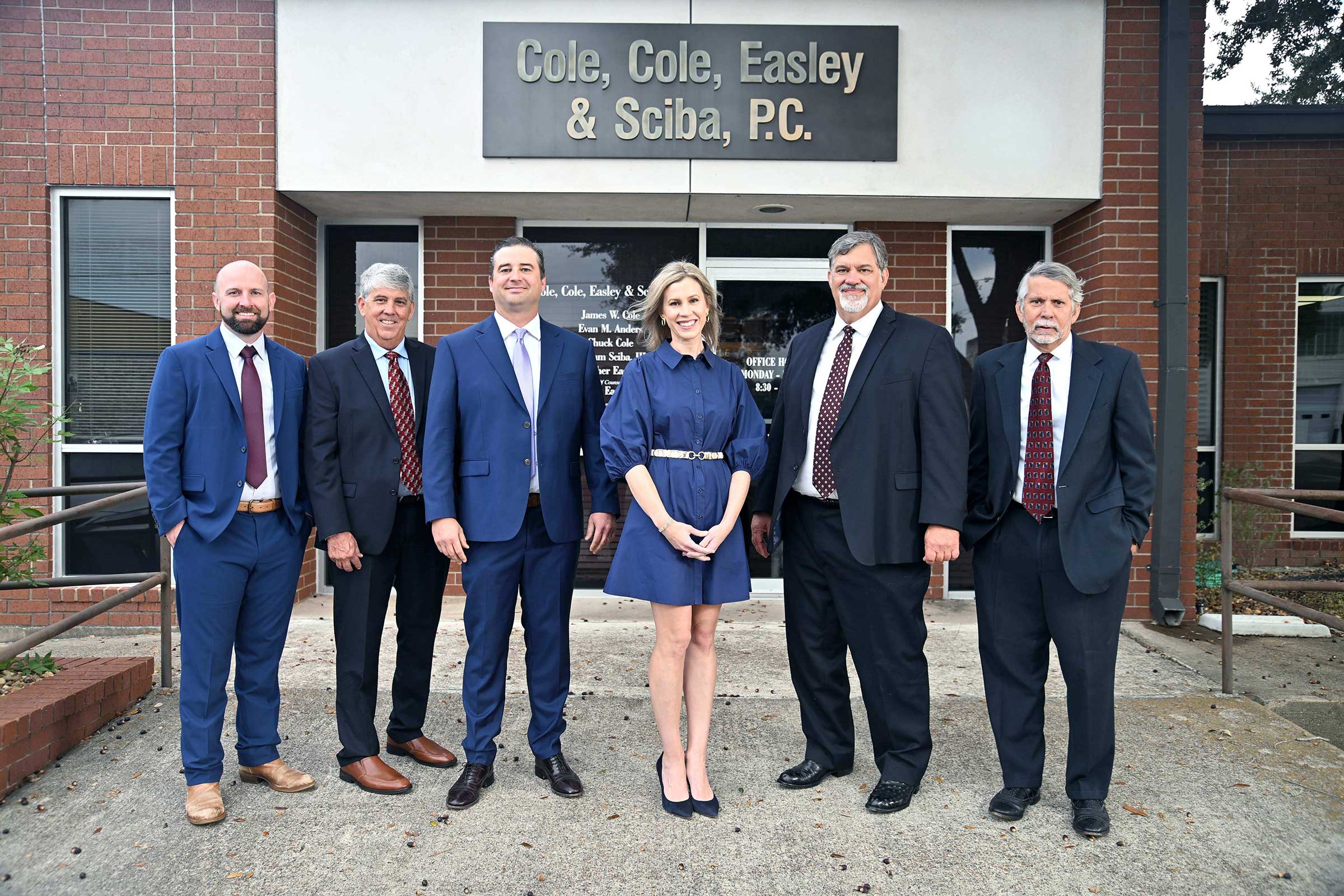
Cole, Cole, Easly and Sciba Trial Attorneys can help you when you’re injured as a pedestrian in Victoria. Walking through Victoria should be one of the simplest parts of your day. But that all changes when you’re struck by a driver or hurt in a fall over a broken piece of sidewalk. We can explain everything and guide you through it. Set up a free consultation today.

Getting a Lawyer After a Pedestrian Accident

Maybe you’re crossing Navarro after shopping, heading on foot through downtown near DeLeon Plaza, walking the trails around Riverside Park, or just making your way from a parking lot to a store along Zac Lentz Parkway.

None of those everyday moments should put you in danger, and you expect drivers to notice pedestrians, slow down, and give people enough room to move safely. So when that doesn’t happen and you get hurt, it’s extremely demoralizing. But at the same time, you don’t have to get a lawyer to file a claim. If you feel like the situation is straightforward enough to where you can handle it on your own, that’s certainly your prerogative.

But most of the time, pedestrians in your position are overwhelmed. That’s when getting a lawyer makes sense. Our Victoria pedestrian accident lawyers can:
  • Explain what your options actually are
  • Gather the medical records and evidence needed to support your claim
  • Handle the insurance company so you’re not stuck repeating yourself to adjusters
  • Make the process easier on both you and your family while you focus on getting better

Every pedestrian accident has its own facts, even if many of them happen for the same basic reasons. But when you’re the one injured, it becomes very real and very personal.

Options For Filing a Claim After a Pedestrian Accident

After a pedestrian accident, most people know they need help—they just don’t know what that help is supposed to look like. You’ve got medical bills starting to come in, you may be missing work, and the driver’s insurance company is already asking questions before you’ve had much time to process what happened.  At that point, your legal options usually come down to two paths:

  • Filing an insurance claim. An insurance claim happens outside of court, which usually makes it the faster option. The downside is that the insurance company controls nearly everything in the beginning. They decide how they want to investigate the accident, whether they accept liability, and how much they’re willing to offer in a settlement. And, not surprisingly, their goal is usually to pay as little as they can.
  • Filing a lawsuit. A lawsuit takes longer and involves more steps, but it creates a much more balanced process. Once a case is formally filed, evidence can be exchanged, witnesses can be questioned, and a judge oversees the timeline if the two sides can’t reach a fair resolution on their own.

You get to decide which option to go with, but one way or the other, the goal stays the same: recovering damages for what this accident has cost you:

  • Current medical bills and future treatment needs
  • Lost wages or reduced earning ability
  • Damaged personal property like glasses or a phone
  • Pain and suffering
  • Emotional distress
  • Changes to your daily quality of life
  • Wrongful death-related losses if the accident was fatal.

Texas generally gives you two years to file most personal injury lawsuits, so starting sooner usually means stronger evidence and fewer missing details later.

What Will I Need For a Strong Pedestrian Accident Claim?

Your options for filing a claim after your pedestrian accident follows a general path, but the actual information you’re going to need for a strong claim aren’t necessarily as uniform. Everything comes down to the details, and what you’re trying to do is show what happened and what it’s left you with. Here’s what you’ll need to do that:

  • Medical records are one of the biggest pieces. They connect your injuries directly to the accident and show the treatment you’ve needed, whether that’s emergency care, follow-up appointments, physical therapy, or long-term recovery.
  • Pictures and videos matter too. Photos of the intersection, crosswalk, lane markings, lighting conditions, your injuries, the vehicle, and any nearby traffic controls can help preserve details that disappear quickly once the scene clears. Something as simple as poor lighting in a parking lot or a blocked crosswalk line can end up becoming important.
  • The driver’s information is also essential—name, insurance details, license plate, and vehicle description.
  • Witness statements can be just as helpful. Nearby shoppers, store employees, other drivers, or people walking in the area may have seen exactly what happened, and their perspective can help if the driver later disputes fault.
  • Then there are the personal details people often overlook: torn clothing, broken glasses, a damaged phone, missed work records, or notes about how difficult everyday movement has become since the collision. Those things help show how the accident has affected your daily life beyond the emergency room bill.

Even smaller details can end up carrying weight, especially when it comes time to answer the big question: who’s responsible for this?

Who’s Legally Responsible After a Pedestrian Accident?

Once things settle down at the scene and you start to take stock of what happened, a simple, yet elusive question comes up: who’s responsible for the accident itself?

Legally, that question is liability, and it matters because the person or group that caused the accident is usually the one that has to pay for the damage that followed. In most pedestrian accident claims, liability comes down to negligence—someone failing to use reasonable care when they should have. With that, the legal responsibility could fall on:

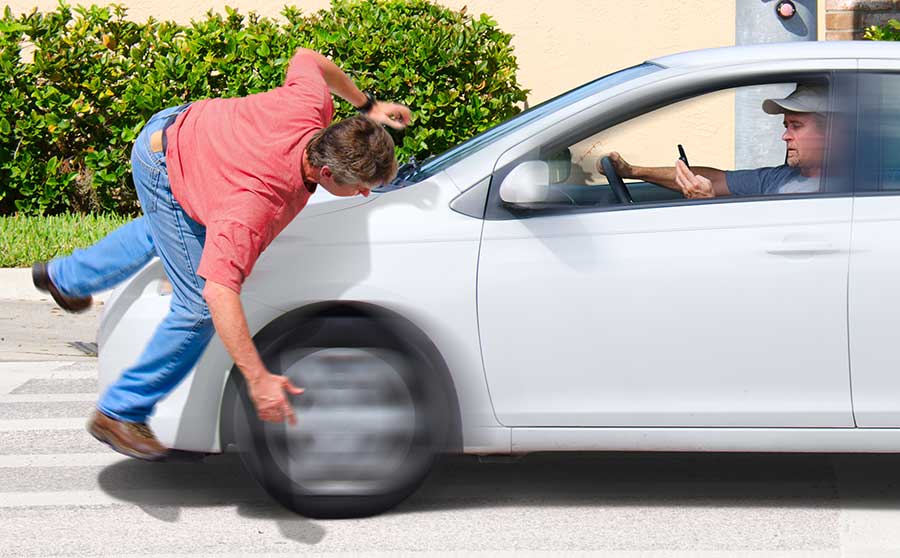
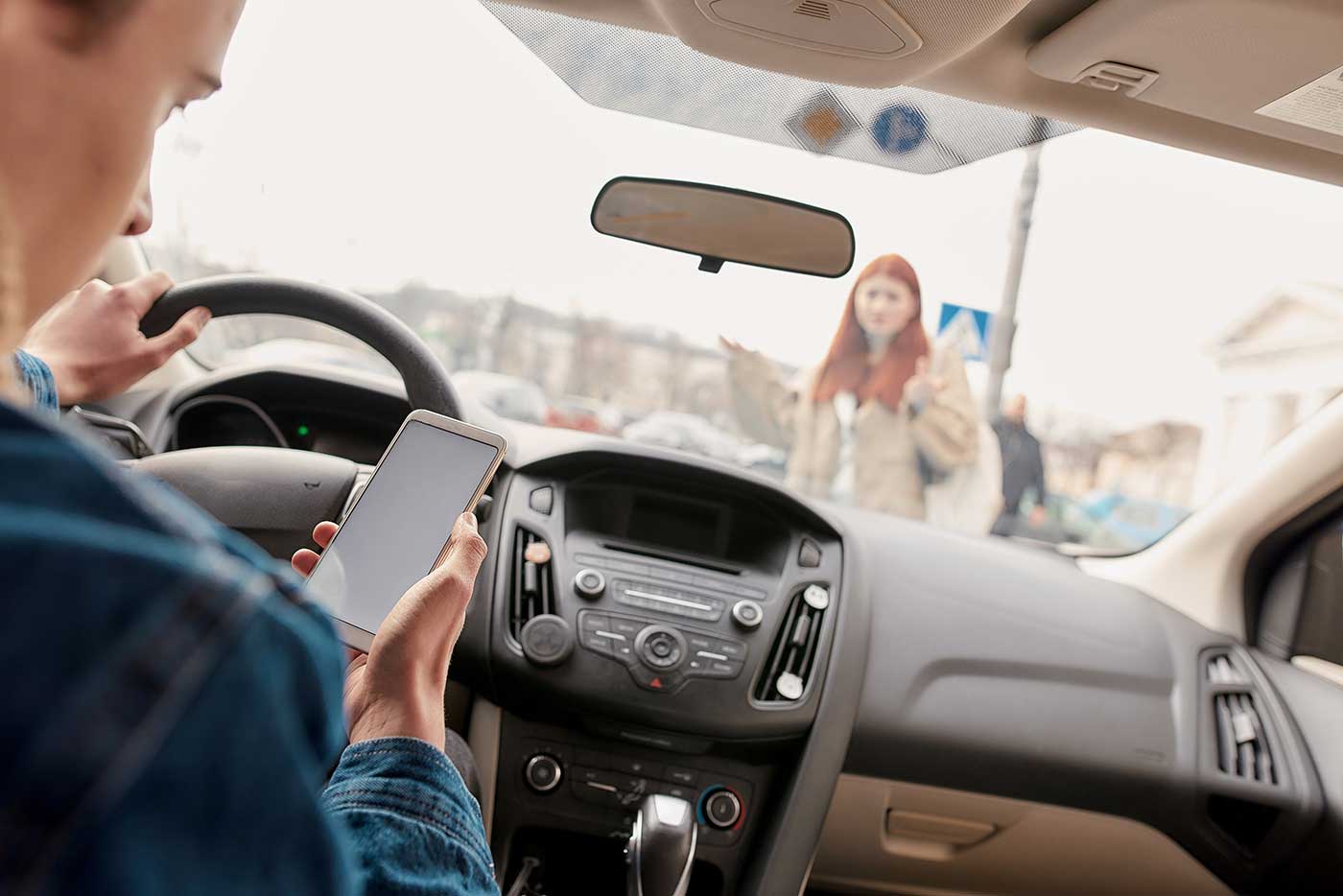
  • A driver who blows through a turn without checking the crosswalk is one example. A distracted driver looking at a phone in a parking lot is another. But drivers are not always the only possible liable party.

Depending on what happened, responsibility can also involve:

  • Another driver that triggered the chain of events
  • A truck driver or trucking company
  • A bicyclist or another pedestrian
  • A property owner
  • A construction company that created an unsafe walkway
  • The city government if a broken sidewalk, faulty pedestrian signals, or unsafe design played a role in what happened.

So as you can see, it’s not always just the driver that’s going to be responsible for paying your damages—even though they’re usually the primary one. It comes down to the actual specifics of the accident.

What Causes Pedestrian Accidents in Victoria?

We’ve talked a lot so far about how dangerous pedestrian accidents are for you and everyone else in Victoria. But one thing that gets overlooked is that they happen in everyday places—usually with the same underlying causes:

  • Distracted driving is one of the biggest ones. Drivers looking at phones, GPS screens, drive-thru orders, or parking lot traffic often fail to notice someone walking until it’s too late.
  • Failure to yield is another common issue, especially at intersections and business entrances where a driver is more focused on beating traffic than checking for someone crossing.
  • Speed also matters more than people realize. The faster a vehicle is moving, the less time there is to react, and the more severe the injuries usually become when a pedestrian is struck.
  • Poor visibility contributes too. Evening hours, rain, dim parking lots, blocked sightlines, and faded crosswalk markings can all make pedestrians harder to see—especially if the driver isn’t paying full attention to begin with.
  • Impaired driving still plays a role in some of the most serious cases, particularly at night and on weekends.
  • Then there’s roadway design itself. Missing sidewalks, long crossing distances, busy turn lanes, inadequate lighting, and retail corridors built more for vehicles than foot traffic all increase the chances of a collision.

That’s why pedestrian accidents tend to cluster around places like Navarro shopping areas, Laurent intersections, downtown crossings, and large parking lots where cars and foot traffic constantly overlap. But again, they can happen anywhere. And when they do, you don’t want to be the one trying to take on everything by yourself.

Frequently Asked Questions

How long do I have to file a claim after my accident?

Texas generally gives you two years to file most pedestrian injury lawsuits, though waiting too long can make evidence harder to track down.

What if the person that hit me flees the scene?

That makes things tougher, but you’ll still be able to file a claim for a hit-and-run. If the driver flees, try to remember everything you can about the car.

What if I don’t know who controls a broken piece of sidewalk?

The city doesn’t control every sidewalk there is. So if a piece is broken, the exact location matters. It could be part of a city sidewalk, but it could also be the responsibility of a homeowner, HOA, or business. That’s why you should focus on getting pictures and the exact location of your fall.

Free Consultations for Victoria Pedestrian Accident Victims

A pedestrian accident can leave you dealing with pain, missed work, transportation issues, medical bills, and a lot of uncertainty all at once. That’s hard enough physically. You shouldn’t also have to guess your way through the claims process.

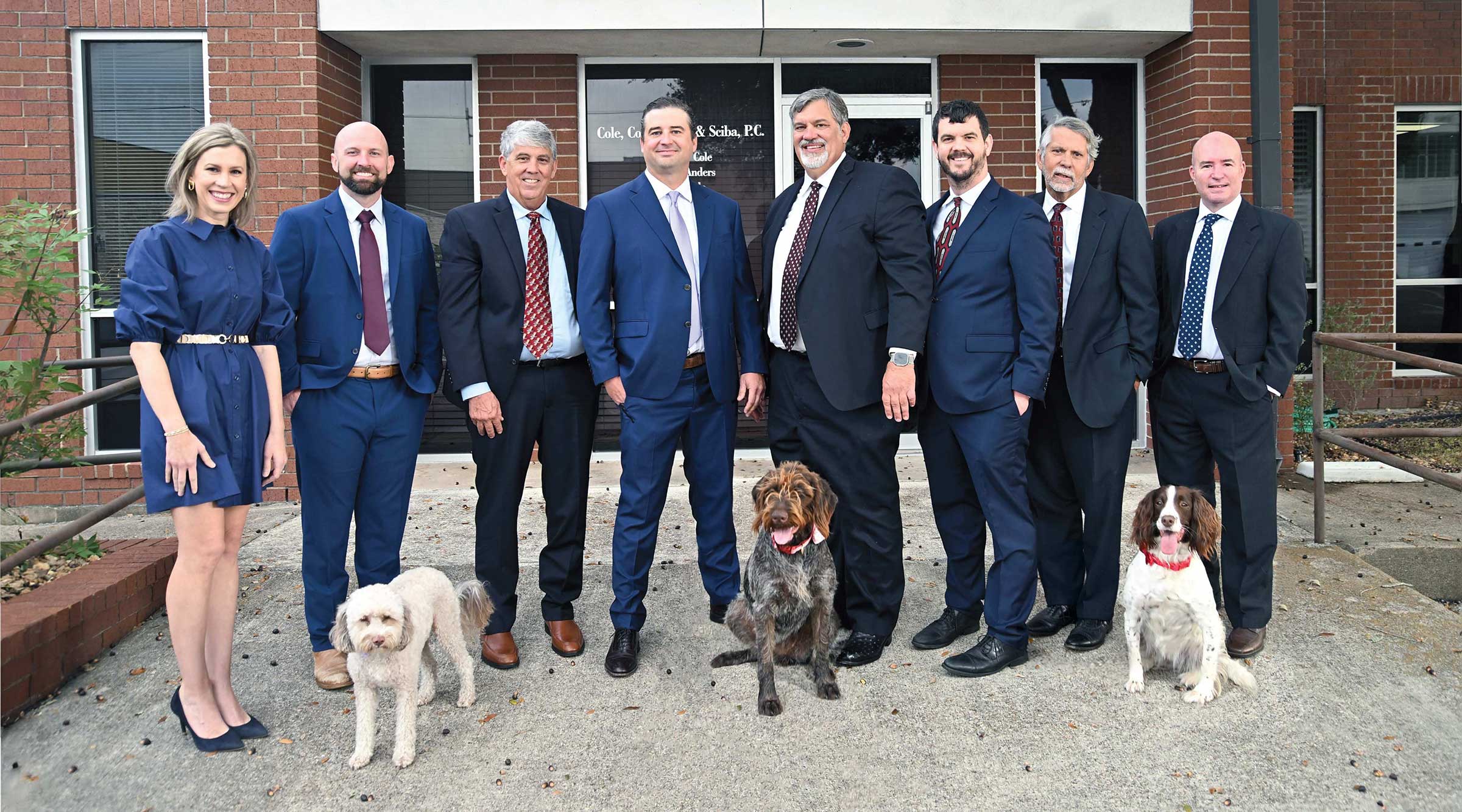
Our Victoria pedestrian accident lawyers at Cole, Cole, Easly and Sciba Trial Attorneys can help you understand your options, gather the right evidence, and deal with the insurance company so you’re not carrying every part of this alone. Set up a free consultation today.

Additional Resources

How Do You Get a Police Report After a Car Accident?

How Do You Prove Negligence in a Car Accident?

Testimonials

Local Knowledge, National Reputation

Our Values

What It Means To Work With Us

Client Focus

We communicate with clients clearly and tell them candidly what they can expect, given the specifics of the case.

Community Focus

We believe in giving back to the Victoria community. We support various organizations financially and with our time.

Local Knowledge

In 1954, Emmett Cole, Jr., returned to the crossroads area to found our practice after working a year at a Houston law firm.

National Reputation

We have provided effective, ethical legal representation throughout Texas and nationwide for more than 50 years.

Contact Us Today!

Outstanding Representation Since 1954